





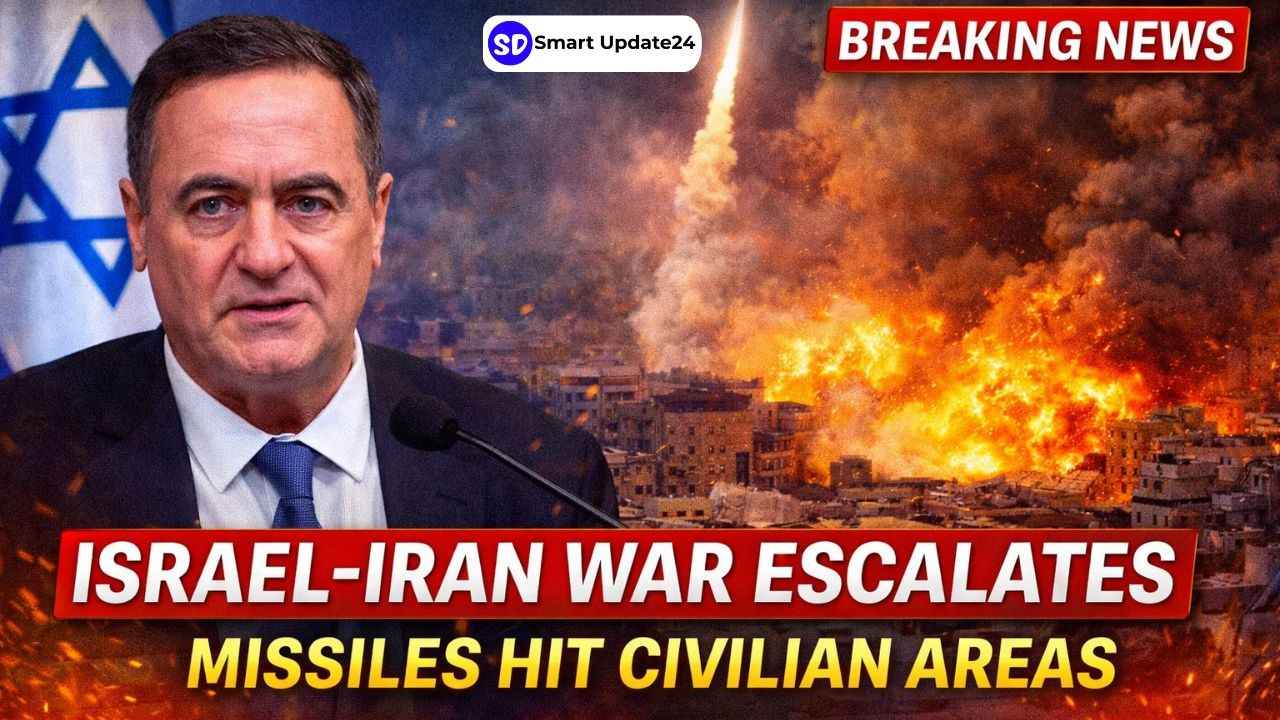
Israel-Iran War Lockdown Escalates: The Israeli strike in Tehran and mounting U.S. pressure on Iran signal a deepening conflict—even as Washington temporarily suspends its attacks to allow room for negotiations. Regional tensions remain at a peak following the deadly incidents in the United Arab Emirates; meanwhile, shipping traffic through the Strait of Hormuz shows signs of cautiously returning to normal. Experts warn that if this conflict becomes protracted, it could trigger major crises or disruptions across global food, energy, and economic sectors in the coming months. Follow our live blog for the latest updates on this conflict and related diplomatic efforts:
The conflict between Israel and Iran has entered a dangerous new phase, with both sides escalating military actions and warning of even more intense strikes in the coming days. Fresh developments indicate a widening war zone, growing civilian impact, and rising global concern over economic and geopolitical fallout.
Union ministers have clarified that rumours of a nationwide lockdown in India amid the ongoing Iran conflict are completely false. According to officials, no such proposal is under consideration, and reports suggesting otherwise are misleading.
Israel Warns of Stronger Strikes on Iran
Israeli Defence Minister Israel Katz has issued a stern warning that military operations against Iran will intensify if missile attacks on civilian areas continue. He accused Iran of deliberately targeting populated zones, signaling that Israel is prepared to expand its offensive significantly.
Israeli forces have already carried out large-scale airstrikes on Iranian military infrastructure, including missile systems and strategic facilities. The goal, according to officials, is to weaken Iran’s ability to sustain long-range attacks.
Israel-Iran War Lockdown: Iran Continues Missile Attacks on Cities
Despite sustained bombardment, Iran has continued launching missiles toward Israeli cities and regional targets. Some of these strikes have penetrated advanced air defense systems, causing casualties and damage to civilian infrastructure.
Reports indicate that Iran has used cluster-type munitions in certain attacks, increasing the risk to civilians and making interception more difficult. Over the course of the conflict, hundreds of missiles have been fired, with several hitting residential areas and commercial zones.
Rising Civilian Impact and Regional Spillover
The war is no longer limited to direct exchanges between Israel and Iran. It has spread across multiple regions, including Lebanon and parts of the Gulf, drawing in additional actors and raising humanitarian concerns.
- Civilian casualties are rising across affected areas
- Large-scale displacement has been reported in Lebanon
- Critical infrastructure, including ports and energy facilities, has been damaged
Missile alerts have also been reported in Gulf countries, highlighting the widening scope of the conflict.
Israel-Iran War Lockdown: US Role and Global Economic Impact
The United States has played a significant role in the conflict, supporting Israel militarily while also weighing further strikes on Iran. However, decisions on expanding operations have been influenced by concerns over global stability and economic consequences.
One of the biggest concerns is the disruption of the Strait of Hormuz, a critical global oil route. The ongoing conflict has:
- Increased oil prices
- Disrupted international shipping
- Triggered volatility in global markets
Countries worldwide are now closely monitoring the situation due to its direct impact on energy supplies and trade.
Pakistan Issues Strong Warning
Amid rising tensions, Pakistan has also reacted strongly to the evolving situation. Officials have issued warnings that any threat to their sovereignty will be met with a firm response, emphasizing that the country will not tolerate external aggression.
This statement reflects the growing regional sensitivity and the possibility of further escalation involving additional nations.
A War with No Immediate End in Sight
Despite discussions of indirect negotiations, there is little indication of an immediate ceasefire. Iran has denied ongoing talks, while Israel continues to signal readiness for prolonged military action.
Military experts note that although Iran’s capabilities have been weakened, it still retains enough missile power to continue attacks, making the conflict unpredictable and prolonged.
Related Article: Philippines Declares National Energy Emergency Amid Global Shock from Iran War
wIKI: https://en.wikipedia.org/wiki/Iran%E2%80%93Israel_conflict