





Hanuman Jayanti 2026: Hanuman Jayanti 2026 is being celebrated with deep devotion and massive public participation across India. From large-scale processions to continuous recitations of sacred texts, the festival has turned cities into vibrant centers of faith, culture, and unity.
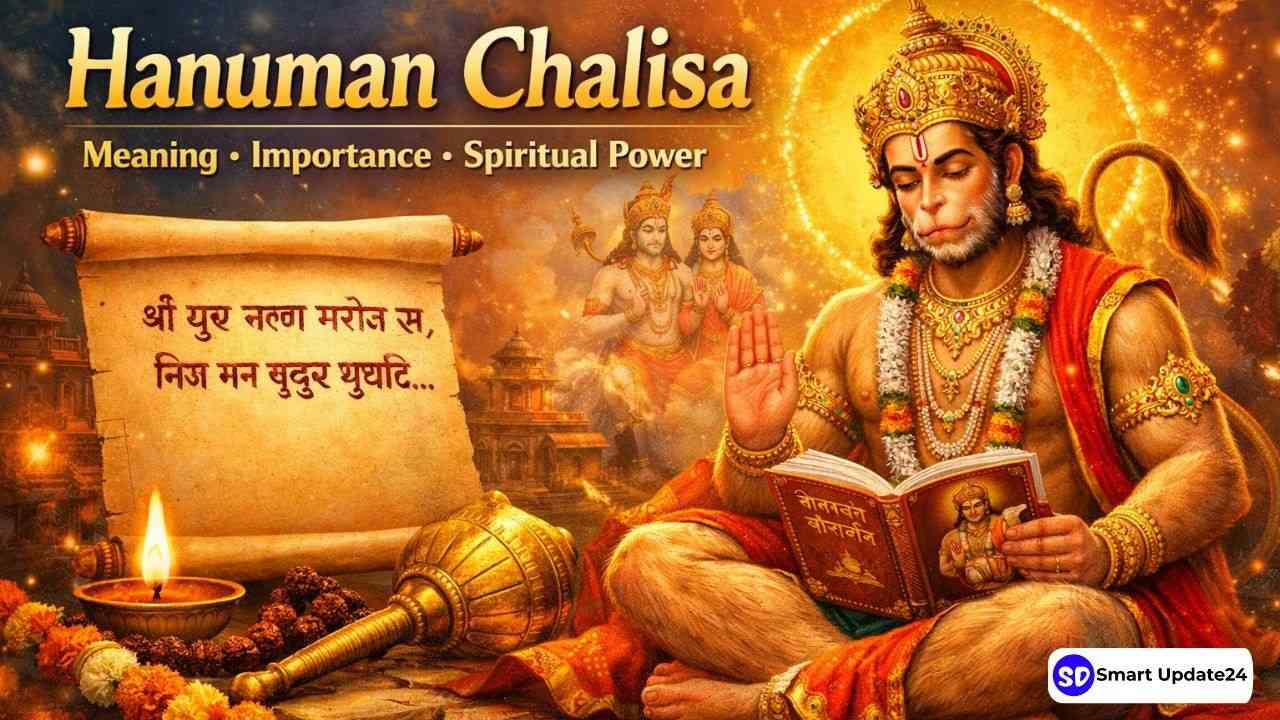
The Hanuman Chalisa is one of the most powerful and widely recited devotional hymns in Hinduism. Written by the saint-poet Tulsidas in the 16th century, it consists of 40 verses (Chalisa) praising the strength, wisdom, and devotion of Lord Hanuman.
Based on reports from multiple regions, especially Varanasi and central India, this year’s celebrations stand out for their scale, organization, and spiritual energy.
What is Hanuman Chalisa?
The Hanuman Chalisa begins with a doha (couplet) seeking blessings from the Preceptor and then moves into verses describing the greatness of Hanuman.
One of the opening lines expresses humility and devotion:
- The devotee admits their limitations and prays for strength, wisdom, and knowledge, asking Hanuman to remove suffering and negativity.
The hymn praises Hanuman as:
- A symbol of immense power and courage
- A devotee of Lord Rama
- A protector who removes fear, obstacles, and evil influences
Meaning Behind Key Verses
The Chalisa beautifully explains different aspects of Hanuman’s personality and divine powers.
- Ocean of Knowledge and Virtue
Hanuman is described as a being full of knowledge and good qualities, whose fame spreads across all three worlds.
- Messenger of Lord Rama
He is known as the faithful servant and messenger of Lord Rama, representing devotion and loyalty.
- Symbol of Strength and Courage
Verses highlight his limitless strength (Atulit Bal) and fearless nature, making him a protector of devotees.
- Remover of Negativity
Hanuman is believed to destroy negative thoughts and guide towards wisdom, helping devotees stay on the right path.
Spiritual Benefits of Reciting Hanuman Chalisa
Regular chanting of the Hanuman Chalisa is believed to bring multiple benefits:
- Removes fear, stress, and obstacles
- Provides mental peace and confidence
- Protects from negative energies
- Strengthens focus and willpower
- Brings success in difficult situations
Many believe that reciting it daily invites divine protection and positivity into life.
Why Millions Recite It Daily
The Hanuman Chalisa is simple, rhythmic, and deeply meaningful, which makes it easy for people to memorize and recite regularly.
- It is commonly recited on Tuesdays and Saturdays, considered auspicious for Hanuman worship
- Devotees chant it during difficult times for courage and relief
- It plays an important role in festivals like Hanuman Jayanti
Hanuman Jayanti 2026: Hidden Life Lessons in Hanuman Chalisa
Beyond devotion, the Chalisa teaches practical life lessons:
- Strength with humility
- Fearlessness through faith
- Discipline and dedication
- Selfless service and loyalty
These values make it relevant even in modern life.
Massive Processions and Cultural Celebrations
In several parts of the country, grand processions marked the eve and day of Hanuman Jayanti. Devotees carrying saffron flags, chanting “Jai Bajrangbali,” and performing bhajans created a deeply spiritual atmosphere.
In places like Vidisha, large religious processions were taken out with decorated tableaux, traditional music, and enthusiastic participation from locals. These processions symbolized unity and devotion, drawing people from all age groups into the celebrations.
Hanuman Jayanti 2026: Varanasi Leads with Record-Breaking Preparations
Varanasi, one of the most important spiritual centers of India, witnessed extraordinary preparations for Hanuman Jayanti 2026.
- Around 1 lakh (100,000) flags were prepared for the grand procession
- Over 1,100 devotees carried symbolic maces (gada)
- More than 30,000–50,000 devotees were expected to participate
- A 3 km long human chain of devotees formed during the procession
The grand Hanuman Dhwaj Yatra started early morning after rituals and aarti, moving through key routes before reaching the famous Sankat Mochan temple. Devotees walked barefoot, carrying flags as an offering to Lord Hanuman, showcasing immense faith and dedication.
Adding to the grandeur:
- A 60-foot-long chariot with Ram Darbar tableau was included
- Over 250 service stalls provided food and refreshments to devotees
- Thousands of flags were offered at temples as part of rituals
Related Article: Mahavir Jayanti 2026 Holiday Confusion | Date Changes, Protests, and State-wise Decisions Explained
Religious Rituals: Sunderkand & Hanuman Chalisa Recitations
Spiritual activities played a central role in the celebrations.
- In Varanasi, mass recitations of Sunderkand and Hanuman Chalisa were organized
- Devotees gathered in large numbers for collective chanting and aarti
- Special “Prabhat Pheris” (morning processions) were conducted with bhajans and devotional songs
In one such event, hundreds of devotees participated in early morning processions, offering flags and performing rituals at temples, followed by distribution of prasad and community gatherings.
Community Participation & Spiritual Unity
One of the most striking aspects of Hanuman Jayanti 2026 is the scale of public participation:
- Devotees from multiple states joined the celebrations in Varanasi
- Women played a key role in preparing thousands of flags
- Volunteers set up service camps (seva stalls) for pilgrims
- Cultural performances and devotional music added to the festive spirit
The celebrations were not limited to temples but spread across streets, neighborhoods, and towns, turning the entire environment into a devotional space.
Why Hanuman Jayanti Matters
Hanuman Jayanti marks the birth of Lord Hanuman, revered as a symbol of strength, devotion, and courage. Devotees believe that worshipping Hanuman on this day helps remove obstacles and brings protection and success.
The large-scale participation seen this year reflects the enduring cultural and spiritual significance of the festival in India.